
Contact Us

FACTORY & WORK AREA ALERTING

Industrial Warning Solutions for Factory & Shared Work Areas

Use this path when a warning needs to attract attention across a shared work area rather than indicate one machine. Start with what needs attention and how people should notice it.

What Needs Attention in the Work Area?

Identify why people need to be alerted, then choose the most suitable starting warning direction.

STEP 2 — CHOOSE A STARTING DIRECTION

How Do People Need to Notice the Warning?

VISUAL WARNING

Start with light when the warning can be seen reliably.

Use this direction when personnel normally have a clear view of the warning point.
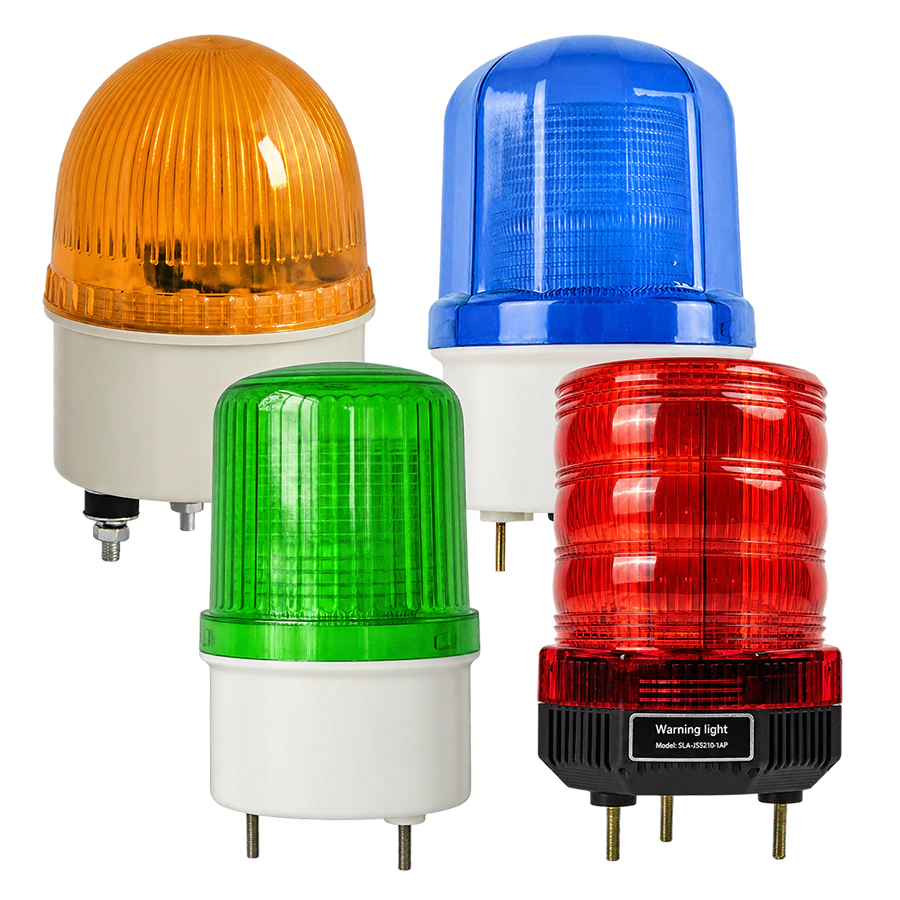
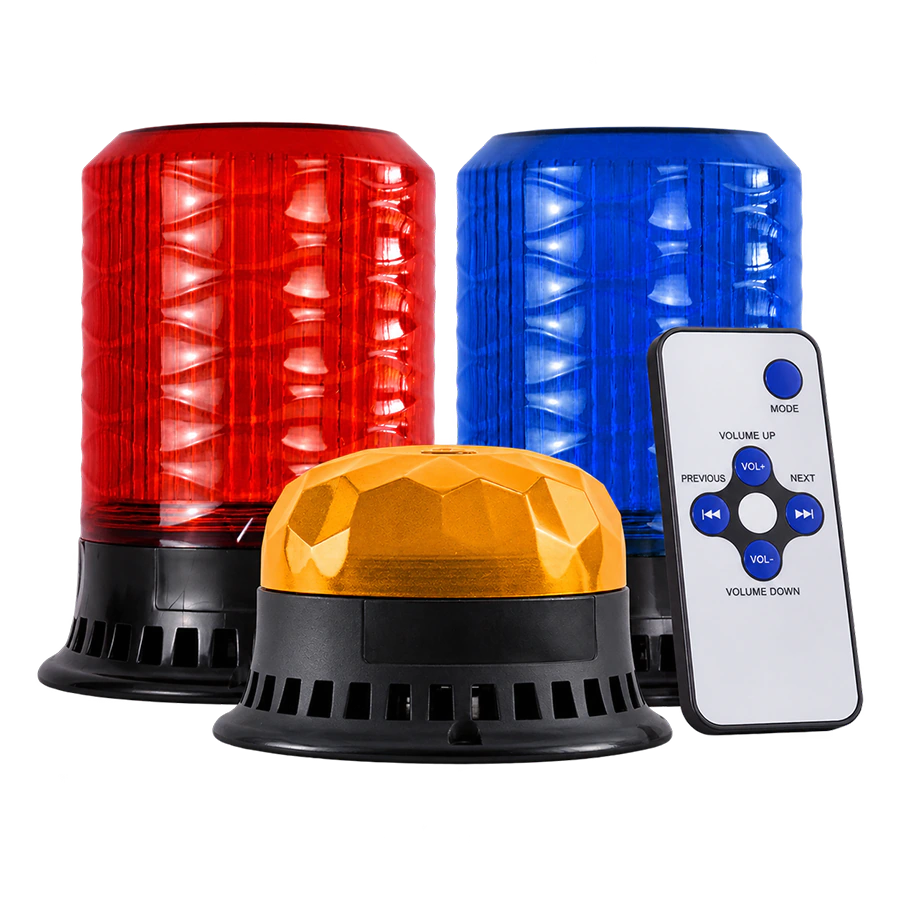
ALX-b Industrial Series Starting route: Beacon & Strobe Warning Lights
NEXT QUESTION

Will the warning stay visible from the positions that matter?

Validate Visual Warning

AUDIBLE WARNING

Start with sound when attention should not depend on sight.

Use this direction when people may not continuously face the warning point.

Alarm Sirens Starting route: Industrial Audible Warning
NEXT QUESTION

Will the warning remain noticeable during normal operation?

Validate Audible Warning

AUDIBLE + VISUAL

Use both when each signal type serves a purpose.

Sound can attract attention while the visible signal identifies or confirms the warning point.

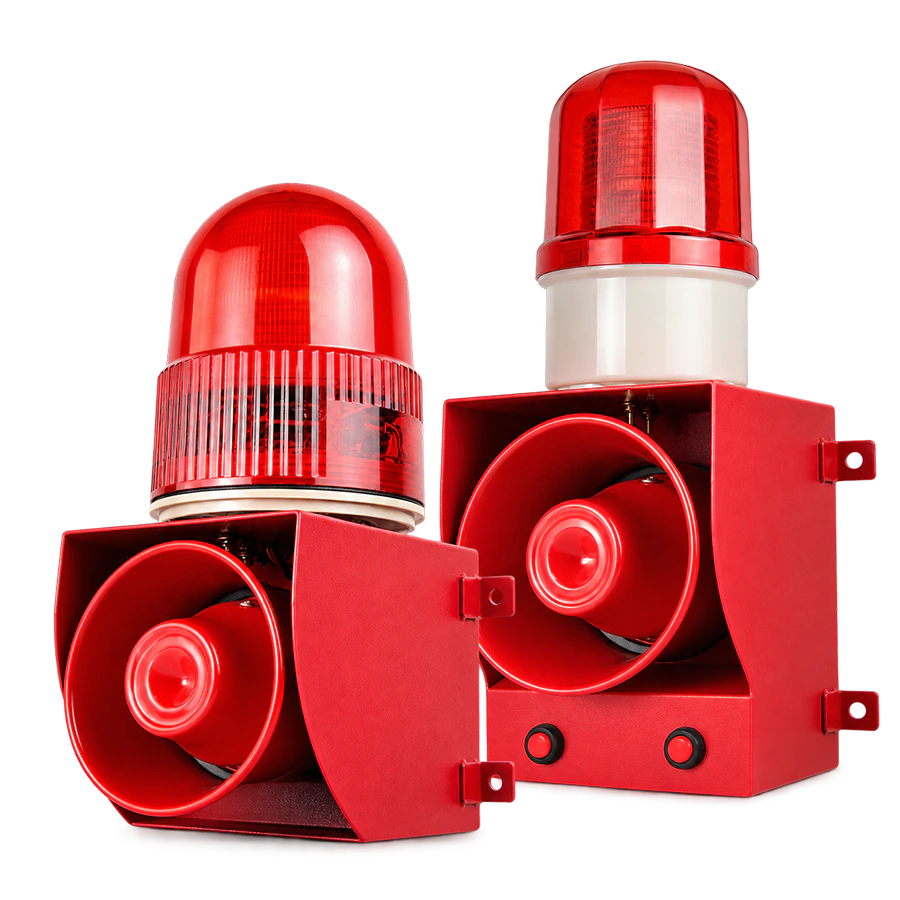
ALX-b Integrated Beacon Sirens Starting route: Integrated Audible & Visual Warning
NEXT QUESTION

Do both signal types add useful warning value at the same point?

Validate Combined Warning

TEMPORARY / MOVABLE WARNING

Start with portability when the warning point must move.

Use this direction for temporary work or changing work-zone locations.

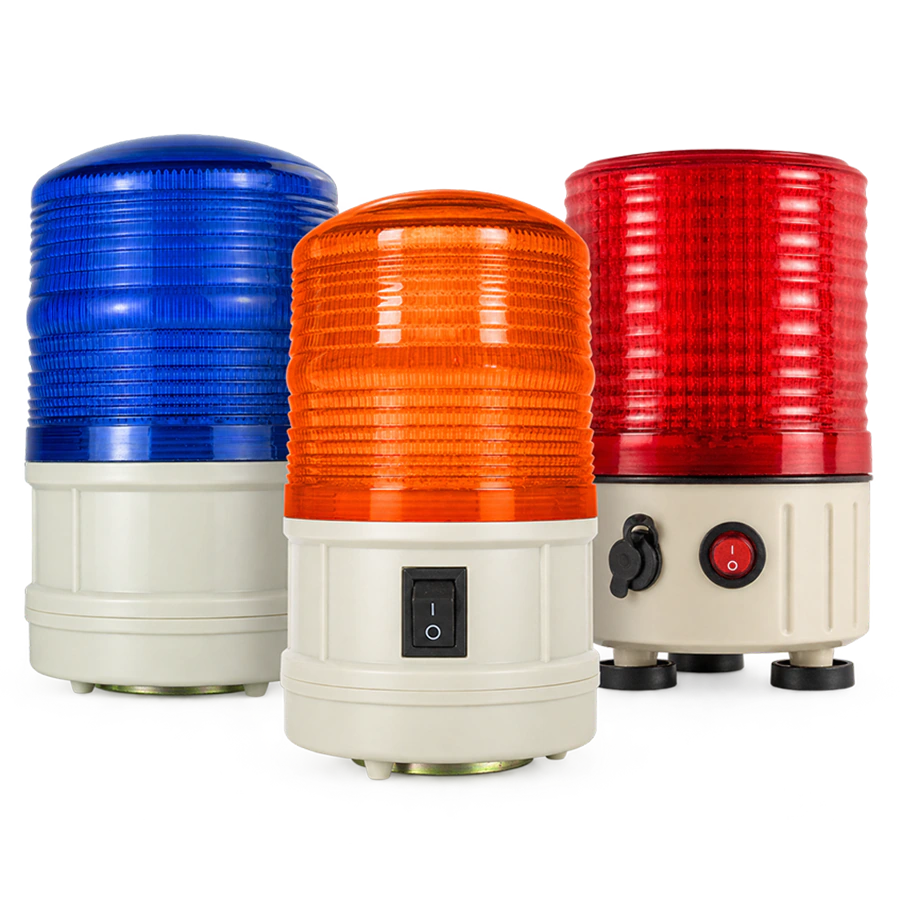
ALX-b Portable Series Starting route: Portable & Self-Powered Warning Lights
NEXT QUESTION

Does the warning point genuinely need to move?

Check Work Area Conditions

Check the Work Area Before Confirming the Warning Method

Confirm whether noise, visibility and layout support the starting direction from the previous step.

VALIDATE VISUAL WARNING

Will the signal stay visible where people work?

Keep this direction when the warning remains visible from the positions that matter.

CHECK Sightlines, obstructions and mounting position.

VALIDATE AUDIBLE WARNING

Will sound remain noticeable during normal operation?

Keep this direction when sound is useful and the operating environment supports an audible warning.

CHECK Ambient noise and where personnel normally work.

VALIDATE AUDIBLE + VISUAL

Do both signal types add useful warning value?

Keep this direction when sound and visible indication each serve a useful purpose.

CHECK Whether both methods are useful at the same point.

WORK AREA CHECK

Five Conditions to Confirm

These conditions can change the final warning and installation choice.

Ambient Noise

Check whether normal operating noise may affect audible warning.

Visibility

Confirm that personnel can see the proposed warning position.

Obstructions

Check whether machinery, racks or walls block sightlines.

Viewing Direction

Consider how people normally face, move and work in the area.

Fixed or Movable

Confirm whether the warning stays installed or follows temporary work.

There is no universal warning coverage distance. If coverage is critical, provide the available layout, dimensions or installation drawing for review.

Match the Warning Method to a Product Route

Use the confirmed warning method and work-area conditions to continue with product-level comparison.

AUDIBLE WARNING

Alarm Sirens

Industrial Audible Warning

Choose this route when sound is the primary way people need to notice the warning.

Compare Alarm Siren Series

FIXED VISUAL WARNING

ALX-b Industrial Series

Industrial Beacon & Strobe Lights

Choose this route when a fixed visual warning can be seen reliably in the work area.

View Industrial Beacons

AUDIBLE + VISUAL WARNING

ALX-b Integrated Beacon Sirens

Integrated Audible & Visual Warning

Choose this route when sound and visible indication both add value at one warning point.

View Integrated Beacon Sirens

TEMPORARY / MOVABLE WARNING

ALX-b Portable Series

Portable & Self-Powered Beacon Lights

Choose this route when the warning point must move or serve temporary work.

View Portable Beacon Lights

These routes narrow the product family, not the final model. Confirm voltage, control, mounting and model-specific requirements before final selection.

Frequently Asked Questions

Share who needs to notice the warning and any known noise, visibility or installation conditions. You do not need to choose the method first.

PRODUCT RECOMMENDATION

Tell Us About Your Work Area Warning Requirement

Share the work area, warning purpose and information already available. We can review the application and help narrow the suitable audible, visual or combined warning direction.

  • Describe the work area and who needs to notice the warning.
  • Add noise, visibility, power and installation information when available.
  • Upload a layout, site photo, drawing or existing product reference when it helps explain the application.

You do not need to know the exact product or final warning method. Provide the conditions already known and leave uncertain items as “Not Sure”.

No files selected

PDF, JPG, JPEG, PNG, DOC or DOCX. Maximum 3 files, 10 MB each and 15 MB total.

Add Technical Details (Optional)

Required fields are marked with an asterisk.